
If you’ve read our chips & salsa guide for the Intestinal body type, you know the honest verdict on bagged chips: none of them are an anchor food, and they all slide to ‘Rarely’ when you’re sensitive. This is the payoff post — the on-type answer to that salty-crunch craving.
The trick is the base food. Sweet potato is an anchor for the Intestinal body type in Carolyn Mein’s 25 Body Type System — one of the short list of foods that stay ‘Frequently’ on both the Healthy and the Sensitive list. Unlike a corn or potato chip, it doesn’t drop a tier the moment your gut is off. So homemade sweet-potato fries and chips let you eat often, from an anchor food, with the type’s best fat and its anchor seasoning.
Why these fit the type
Here’s the whole plate scored against Mein’s Intestinal Profile:
Built on the type’s anchor foods — 2 that stay top-tier even under stress (3 top-tier in all) — with no “Rarely” foods.
- Sweet potatoes Frequently anchor
- Butter Frequently
- Spike Frequently anchor
- Sea salt Moderately holds under stress
Scored against Carolyn Mein’s Intestinal Profile. See the full Healthy vs. Sensitive crosswalk.
That “strong fit” is the difference between this and any bag of chips: sweet potato and Spike are both anchors (top-tier even under stress), and butter is the type’s ‘Frequently’ fat on a good day. Nothing here is a ‘Rarely’ food. The only rule that carries over from the chip world is portion — this is real food, but it’s still a treat-shaped one; a sensible plate, not a whole tray at once.
Three ways to make them
Same anchor food, three textures. Pick by what the craving actually wants — a hearty side, a crispy handful, or an actual chip.
- Default fat: butter or ghee. Rotation fats: olive, sesame, or avocado oil.
- Default seasoning: Spike, with salt kept light. Skip onion powder and chile when you’re sensitive — both slide to ‘Rarely’ under stress.
1. Oven steak fries — the everyday version
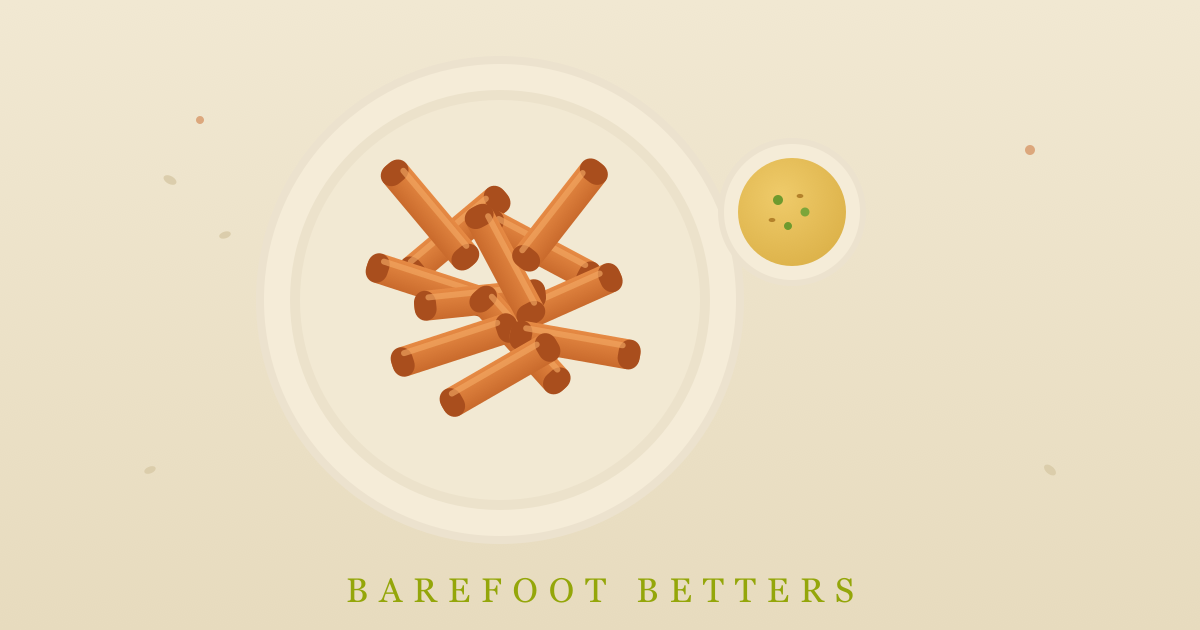
Thick ½-inch sticks, tossed with butter and Spike, roasted hot at 425°F until the edges brown and the tips crisp. Creamy inside, on-type all the way down. This is the one to memorize and make on a weeknight — the full printable card is below. Pair it with chicken or turkey and cooked spinach or peas so it’s a lunch plate, not a snack pile.
2. Air-fryer fries — crispier, smaller batch
Same ingredients, cut a little thinner (⅜ inch). Air-fry at 375°F for 12–16 minutes, shaking the basket at 8 minutes. Don’t crowd it — two batches beat one soggy one. If they dry before they brown, toss with an extra teaspoon of melted butter halfway through. (Full details are in the steak-fry card’s notes.)
3. Thin chips — the bag-of-chips stand-in
When the craving specifically wants a thin, salty crunch, slice a sweet potato ⅛-inch thin, toss it lightly with butter and Spike, and bake or air-fry until it crisps as it cools. This is the closest thing to reaching for a bag — except the base food is an anchor. Its own printable card is at the bottom of the post.
What actually makes them crisp
The physics is the same whether you’re making fries or chips:
- Dry the cut potatoes with a towel before the fat goes on. Surface moisture steams; dry surfaces crisp.
- Single layer, real space between pieces. Overlapping means steamed wedges, not crisp fries.
- High heat. Low-and-slow gives you leather, not crunch.
- Don’t cover or bag them hot. Trapped steam undoes the crust in minutes.
- One texture per tray. Thicker fries stay creamy; paper-thin slices chip. Don’t mix cuts on the same pan.
Soaking the cut pieces in water — the classic move for russet fries — is optional here. Sweet potatoes have less surface starch, so a 20-minute soak helps only a little, and if you do it, pat them very dry afterward or they won’t brown.
Stay-on-type extras
- Good dips (healthy day): a little butter melted with Spike; plain yogurt if it sits well; salsa only occasionally (it’s ‘Moderately’/‘Rarely’ for this type).
- Good dips (sensitive): Spike-butter only. Skip salsa, cheese, and onion-heavy ranch.
- Protein next to the fries: chicken, turkey, or leftover pinto beans — the protein-with-a-carb pattern that keeps this type’s blood sugar level.
- Don’t bother with: cornstarch or tapioca dredges, deep-frying in a pot of oil, or “loaded” fries with cheddar and bacon. Those push a ‘Frequently’ vegetable back into ‘Rarely’-chip territory. Bobby Parrish’s cookbook version fries them in avocado oil with tapioca starch — fine as a once-in-a-while healthy-day project, but the butter-roasted oven fries are the ones that match this body type week to week.
If you can’t find Spike
These recipes lean on Spike because it’s the type’s anchor condiment — ‘Frequently’ on both the Healthy and Sensitive lists. That specific bottle (salt plus a long herb-and-vegetable blend) is what Mein’s list is pointing at, so it’s worth keeping on hand. If you’re out, here’s the honest substitute picture — because a swap isn’t automatically a swap for this type.
Kirkland Organic No-Salt Seasoning (a 21-spice Costco blend) can stand in for the herb part of Spike, but it isn’t a true replacement and doesn’t inherit Spike’s ‘Frequently’ rating. Two things to know:
- It has no salt. Salt is ‘Moderately’ for this type and Spike already includes it, so add a pinch of sea salt yourself or the food tastes flat.
- Onion and garlic lead the blend. Garlic is fine in small amounts (‘Frequently’ healthy, ‘Moderately’ sensitive), but onion is ‘Frequently’ when healthy and ‘Rarely’ when sensitive — so a daily shake that starts with onion is a problem on a sensitive week. The carrot and celery in it are ‘Moderately’ — fine as a dusting, not as your main seasoning.
So how to use it:
- Healthy days: yes — use Kirkland as an herb blend on the fries, plus a pinch of sea salt. (It also skips soy, which is a plus if the soy in Spike bothers you.)
- Sensitive days: no, not as a Spike swap — too much onion, plus the carrot and celery. Reach for Spike if you have it, or just butter + a free herb (oregano, thyme, or rosemary) + a little salt. Dried herbs aren’t tier-rated for this type, so they season freely.
If Spike is genuinely hard to find, Kirkland + sea salt on healthy days only approximates the function — a savory dust plus salt — just remember it’s a stand-in, not the listed anchor food. And check your jar: Costco blends shift occasionally, so if onion or garlic is the first ingredient, treat it as above.
An honest word on the framework
The 25 Body Type System is Carolyn Mein’s model, not mainstream nutrition — we offer it as a lens some of you find genuinely useful. What’s solid underneath is simple: sweet potato is a nourishing whole food, butter is a clean fat, and roasting beats deep-frying. Match it to the type or not, this is a better answer to a chip craving than a bag. Eat it when you’re strong, keep the seasoning simple when you’re sensitive, and let your own body have the final say.
Simplify, create, and live with God in your heart.
Oven Sweet-Potato Steak Fries for the Intestinal Body Type
Oven Sweet-Potato Steak Fries for the Intestinal Body Type
Thick sweet-potato sticks tossed with butter (or ghee) and Spike and roasted hot at 425°F until the edges brown and the tips crisp—creamy inside, on-type all the way down. The everyday version of the salty-crunch craving, built on an anchor food.
Ingredients
Equipment
- Sheet pan lined with parchment
- Sharp knife (or a mandoline for the thin-chip variation)
- Clean towel, for drying the cut potatoes
Method
- Heat the oven to 425°F and line a sheet pan with parchment. Peel the sweet potatoes if you like, then cut them into even ½-inch sticks — even thickness is what gets them cooking at the same rate.
- Dry, then toss. Pat the cut sticks dry with a towel (surface moisture is the enemy of a crisp edge). Toss with the melted butter and Spike until just coated — too much fat steams them instead of crisping them — and add a pinch of sea salt only if your Spike is light.Tip: Spread them in a genuine single layer with space between. Overlapping sticks steam into soft wedges.
- Bake , flip, then bake more, until the edges brown and the tips crisp. Thicker sticks stay creamy in the middle — that’s the point of the steak-fry cut.Tip: Sensitive week: keep it to butter + Spike only. Healthy week: add garlic powder, smoked paprika, or a little cinnamon.
- Eat them hot, uncovered. Don’t pile them in a covered bowl or a bag — trapped steam undoes the crust. Set out a little melted butter with Spike for dipping, and put a real protein next to them (chicken, turkey, or leftover pinto beans) so it’s a plate, not a snack pile.
Notes
- Why this is the on-type answer. Sweet potato is one of the few anchor foods for the Intestinal type — ‘Frequently’ on both the Healthy and Sensitive lists, so you can eat it often even when you’re run-down. Butter is the type’s top fat (‘Frequently’ when healthy), and Spike is an anchor condiment that holds top-tier on both lists. That’s why a plate of these scores far better for the type than any bag of chips: the base food is genuinely top-tier, not a fried grain in the rotation tier.
- Air-fryer version (crispier, smaller batch). Same ingredients, cut a little thinner (⅜ inch). Air-fry at 375°F for 12–16 minutes, shaking the basket at 8 minutes. Don’t crowd it — two batches beat one soggy one. If they dry out before they brown, toss with 1 extra teaspoon of melted butter halfway through.
- What actually makes them crisp: dry the cut potatoes before the fat; keep a true single layer; use high heat (low-and-slow gives leather, not crunch); and never cover or bag them hot. Thicker fries stay creamier, paper-thin slices crisp into chips — pick one texture per tray. A 20-minute water soak is optional (sweet potatoes have less surface starch than russets); if you soak, pat them very dry or they won’t brown.
- Fats and seasoning, by tier. Default to butter or ghee; rotate in olive, sesame, or avocado oil (all ‘Moderately’ for this type). Keep salt light and let Spike carry the flavor. Skip onion powder and chile when you’re sensitive — both slide to ‘Rarely’ under stress. And skip sweet finishes like maple, honey, or brown sugar: those sweeteners are lower-tier for this type (‘Rarely’ or ‘Moderately’), so reach for a little cinnamon instead if you want a sweeter batch.
- Good dips: on a healthy day, a little butter melted with Spike, or plain yogurt if it sits well; salsa only occasionally (it’s ‘Moderately’/‘Rarely’). When you’re sensitive, keep it to Spike-butter and skip salsa, cheese, and onion-heavy ranch.
- Skip the ’loaded’ version. Cornstarch or tapioca dredges, deep-frying in a pot of oil, and cheddar-and-bacon ’loaded’ fries all push a ‘Frequently’ vegetable back into ‘Rarely’-chip territory. Bobby Parrish’s cookbook fries sweet potatoes in avocado oil with a tapioca-starch coat — fine as an occasional healthy-day project, but the butter-roasted oven version is the one that matches this body type week to week.
- One line to memorize: sweet-potato sticks, 425°F, butter, Spike, flip once. That’s the Intestinal-type fry.
Thin Sweet-Potato Chips — the bag-of-chips stand-in
Want the crispy handful instead of the fry? Here’s the same anchor food sliced thin and crisped, seasoned with Spike (or cinnamon for a sweet batch). Print this one for a snack; make the steak fries above for a plate.
Thin Sweet-Potato Chips (the bag-of-chips stand-in)
Sweet potato sliced paper-thin, tossed lightly with butter and Spike, and baked or air-fried until it crisps as it cools — the on-type answer to a salty-crunch craving that wants an actual chip.
Ingredients
Equipment
- Mandoline (or a very steady hand and a sharp knife)
- Sheet pan lined with parchment, or an air fryer
Method
- Slice ⅛-inch thin — a mandoline makes them even, which makes them crisp evenly. Pat the slices dry.
- Toss lightly with the melted butter and Spike (or a pinch of cinnamon for a sweet batch), and spread in a single layer with no overlap.
- Oven at 400°F for , flipping once, or air-fryer at 375°F for , shaking once. They won’t feel fully crisp coming out — they finish crisping as they cool. Eat them the same day; they soften overnight.Tip: No maple, honey, or brown sugar — those sweeteners drop on this type. Cinnamon is your sweet-batch move.
Notes
- Same body-type logic as the fries. Sweet potato is the anchor; butter and Spike keep it top-tier. This is the version to reach for when the craving specifically wants a thin, salty crunch instead of a fry.
More from the Barefoot Betters kitchen:
- Chips & Salsa for the Intestinal Body Type — which bagged chips fit, and why sweet potato beats them all
- The Intestinal Body-Type Food Guide — the full Healthy vs. Sensitive crosswalk
- The Intestinal Body Type: A Daily Joy Blend for the Sensitive Soul — meet the type this is built for
- Steel-Cut Oats for the Intestinal Body Type — the same tier-by-tier treatment for breakfast