
I’ll say the honest thing first: as I write this, I’m at the starting line, not the finish. This post is the plan and the diary — I’m publishing the framework I’m committing to, then filling in what actually happens, month by month, results and all. If you’re reading this later and the tables are full, you’re seeing the whole ride. If they’re still filling in, you’re following along in real time.
The plan is simple to say and harder to do: 60 pounds in 6 months, by eating for my body type. Here’s exactly how, and here are the questions everyone asks when I tell them what I’m doing.
Why body type — and why weight even happens for this type
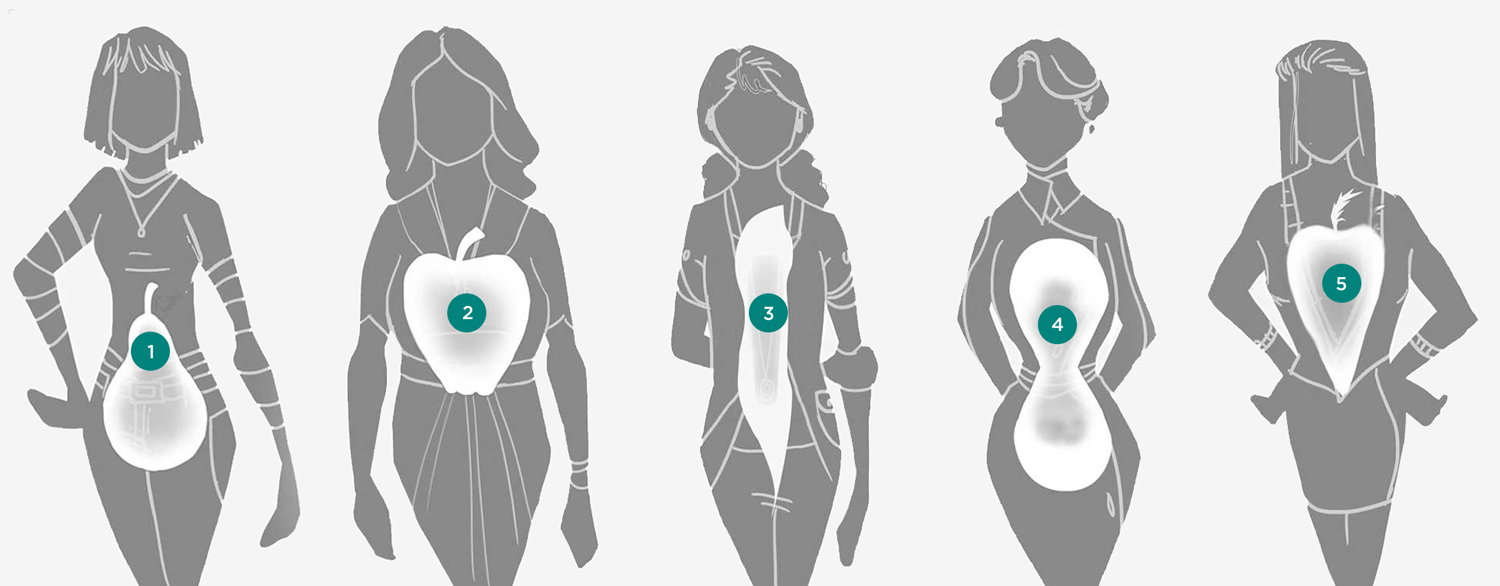
Most diets treat every body the same and just push the calories down. Carolyn Mein’s 25 Body Type System starts somewhere else: the idea that one dominant gland or organ shapes how your body gains weight, what it craves, and even how you tend to feel. Eat for that type and the body lets go of what it was holding; fight it and you white-knuckle against your own physiology.
I’m the Intestinal type — the sensitive “funnel” that takes everything in and then has to sort what to keep. And here’s the line from Mein that reframed the whole thing for me:
Intestinal types need new experiences to grow mentally, emotionally, or spiritually — otherwise they will expand physically.
Read that twice. For this type, the weight is often downstream of stuck growth — of feelings stuffed instead of felt, of a life that’s gotten narrow. That’s not an excuse; it’s a lever. It means the plan isn’t only what’s on the plate. It’s the plate plus tending the emotional side that this type carries in the body. (I keep a two-minute ritual for exactly that — the Daily Joy Blend — worn over the thymus when the day gets heavy.)
If you want the type explained in plain terms before you go further, start here: Meet the Intestinal body type.
The plan in one screen
Nothing exotic. The whole thing fits on a card:
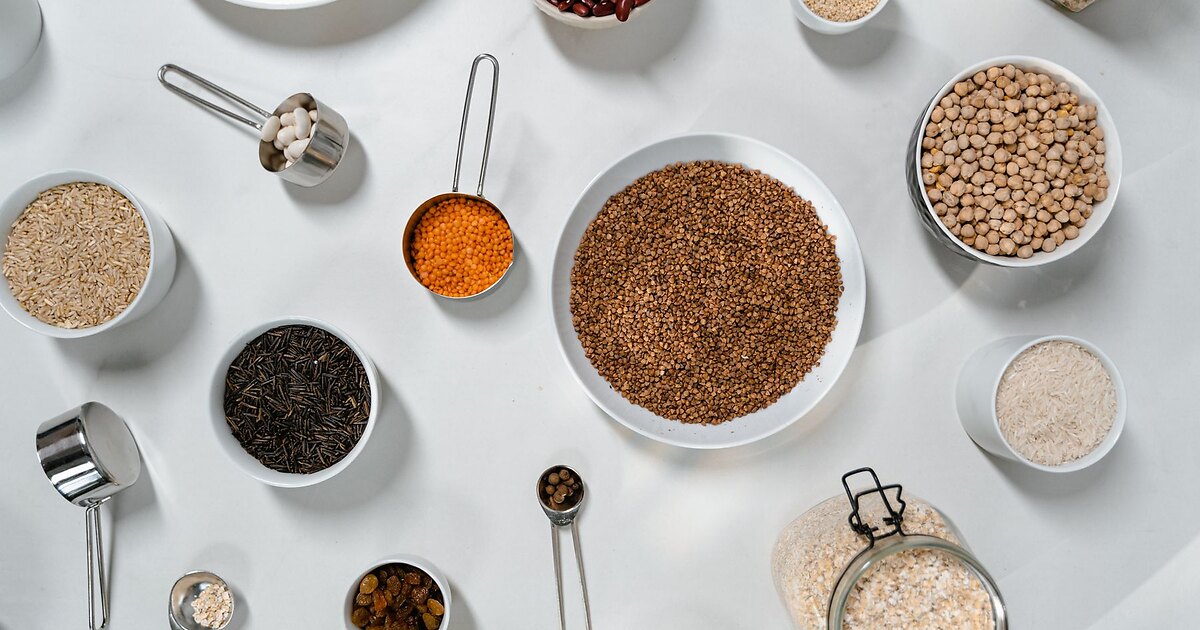
- Eat the anchor foods. The foods this body runs on even under stress — amaranth and basmati rice, pinto beans, walnuts, sweet potatoes, sorghum, date sugar. The full tier-by-tier breakdown is in the food guide.
- Make lunch the main meal. Eaten in the calm middle of the day. Keep dinner light — this is Mein’s guidance for the type, and it’s the single biggest change for me.
- No calorie counting. Focus on food quality and food fit, not math. Portions settle down on their own when the food actually suits you.
- Give the gut a weekly rest. A gentle cleanse day, or a 24-hour fast broken carefully.
- Move most days, recover daily. Strength work plus daily mobility — the same structure I laid out in my 90-day journal.
- Tend the emotional side. For this type it’s not optional. Feel it instead of feeding it.
That’s it. Everything below is either the how or the questions.
A day on the plan
- Morning: [protein-forward breakfast / smoothie — fill in your real go-to]
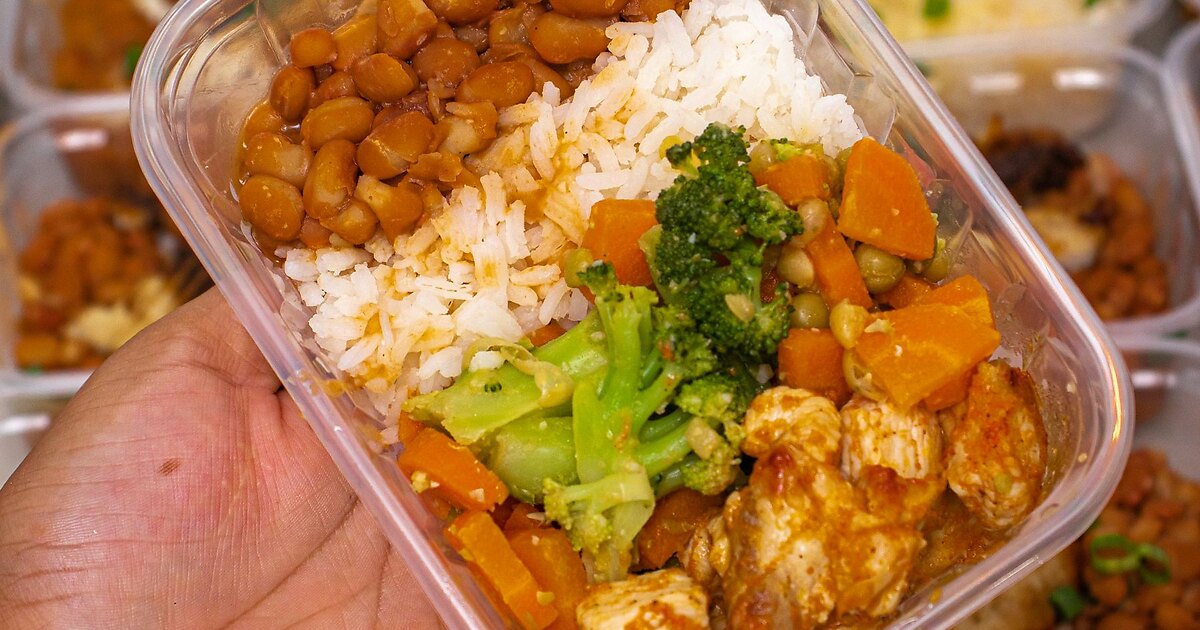
- Lunch (the main meal): [your anchor-food lunch — e.g. basmati + pinto beans + vegetables]
- Dinner (light): [steamed vegetables, light protein — fill in]
- Water / tea: [target]
- Movement: [that day’s training]
- Emotional bookend: Daily Joy Blend, morning and night
The 6-month target, month by month
Sixty pounds over six months is ~10 lbs/month. Weight doesn’t come off in a straight line — early weeks often move faster (water and inflammation), the middle plateaus, the end is grind. So I’m tracking the trend, not any single weigh-in.
Actuals (updated as I go):
| Month | Target (cumulative) | Actual weight | Lost this month | Notes |
|---|---|---|---|---|
| Start | — | [start weight] | — | Baseline, [date] |
| Month 1 | −10 lbs | [ ] | [ ] | [ ] |
| Month 2 | −20 lbs | [ ] | [ ] | [ ] |
| Month 3 | −30 lbs | [ ] | [ ] | [ ] |
| Month 4 | −40 lbs | [ ] | [ ] | [ ] |
| Month 5 | −50 lbs | [ ] | [ ] | [ ] |
| Month 6 | −60 lbs | [ ] | [ ] | [ ] |
The questions people actually ask
Every time I explain this, the same questions come up. Here they are, answered straight.
“How does eating for your body type actually make you lose weight?”
Two ways, in Mein’s framework. First, you stop eating the foods that don’t fit you — the ones that leave this type bloated, inflamed, and holding water and waste. Give the gut foods it handles well and a lot of that “weight” simply leaves. Second, and specific to the Intestinal type, you address the emotional expansion — the “grow or expand physically” pattern. When the inner life opens back up, the body stops taking up the slack. It’s food quality and emotional honesty, not a calorie trick.
“Is 60 pounds in 6 months even realistic — or safe?”
It’s aggressive but not crazy if you’re starting with a lot to lose. The more you carry at the start, the faster the early pounds move. Ten pounds a month is about 2–2.5 lbs a week; the first month usually beats that (water and inflammation), the middle months run slower. If I’m consistently missing the target or feeling wrecked, I’ll slow it down — the goal is health, not a number on a deadline. I’m not a doctor and this isn’t medical advice; if you have a condition or take medication, talk to yours before making a big change.
“How do I know I’m even the Intestinal type?”
Start with the type description and see if it lands — the sensitive “funnel,” the grow-or-expand pattern, the emotional openness. Mein’s book has a proper assessment (body measurements, temperament, food reactions), and that’s the real way to confirm it. Don’t force yourself into a type that doesn’t fit; the whole point is eating for the body you actually have.
“What can I actually eat?”
The short version: anchor foods first — amaranth and basmati rice, pinto beans, walnuts, sweet potatoes, sorghum and date sugar to sweeten, butter as the fat. The long version is the Intestinal body type food guide, which breaks every category into three tiers — eat Frequently, eat Moderately, keep Rarely — and explains what slides when you’re run down.
“Do I have to give up my favorite foods forever?”
Yes — the ones that are fighting you, you give up. This is a lifestyle change, not a diet. The goal is health, not comfort foods that satisfy a five-minute craving and then leave you worse than they found you. When you give in to that urge, you feel better only in the moment — and a few minutes later you’re right back where you started, plus the regret.
Think of those foods the way you’d think of any addiction: they promise a lift and deliver nothing that lasts. They add no real good to your life. Real happiness doesn’t come from a plate — it comes from loving people and giving meaningful service to others and to God. You will never find it in food, or in any other vice. Name the foods that fight you, and let them go.
Now, the mechanics: the system gives you two lists — a Healthy list for when you’re strong and digesting well, and a Sensitive list for when your gut is off. That’s how you tell which foods fight you. The food guide sorts every food into eat-Frequently, eat-Moderately, keep-Rarely. The occasional Moderately food in rotation is fine. But the ones that consistently leave you bloated, foggy, and heavy? Those aren’t “favorites.” Those are the ones to walk away from — for good.
“Will I be hungry?”
No — and understanding why is the whole game. We confuse hunger with craving. They can feel like the same thing, but they’re different signals. Eating addictive foods kicks off a downward spiral: you eat the food the craving is demanding, but your body is still calling out for actual nutrition it never got. An hour or two later that real need resurfaces — and you misread it as another craving, so you reach for more of the same empty food. Your body stays frustrated, still short on the fuel it asked for. Round and round.
Eat what your body wants instead of what your addiction wants, and the loop breaks. Real food actually satisfies — you feel full, fueled, and genuinely satiated — so you end up eating less, not more. The hunger you were fighting was mostly counterfeit.
“Do I count calories or macros?”
No. The focus is food quality and fit, not math. Here’s the honest caveat, though: energy balance is still real physics. What eating for your type does is make it easier to eat the right amount without fighting yourself — the right foods satisfy this body, so the portions settle down naturally and the cravings quiet. I’m not weighing food. I am keeping dinner light and letting lunch carry the day.
“Why is lunch the main meal?”
It’s Mein’s guidance for this type, and it’s the change I felt fastest. Eating the biggest meal in the calm middle of the day — when digestion is strongest — and keeping dinner light means I’m not sending a heavy meal into a sleeping gut. Better sleep, flatter mornings, less next-day bloat.
“Do I have to fast?”
Not required, but I do a weekly 24-hour rest for the gut, and I think it helps. The how you break it matters as much as the fast — I re-enter with a gentle, digestive-first approach I wrote up separately: how to break a 24-hour dry fast. If fasting isn’t for you, a gentle cleanse day of steamed, raw, and juiced vegetables does a similar job.
“What about exercise?”
Strength most days, plus daily mobility/recovery so I train consistently without breaking down. It’s not the lever that melts the weight — the plate is — but it protects muscle, steadies energy, and keeps the whole thing sustainable. My full training and recovery structure is in the 90-day journal.
“How is this different from the Blood Type diet?”
They’re different frameworks — blood type (D’Adamo) sorts food by blood chemistry; body type (Mein) sorts by your dominant gland/organ. I actually run both at once and eat what’s approved on both, which narrows the list but removes the guesswork. That combined experiment is the 90-day journal.
“What happens on a bad day — do I blow the whole thing?”
No. One off-plan meal isn’t a relapse, it’s data. The rule I keep: no cheat days, but room for learning moments. When my gut reacts to something, I note it and pull back to the anchor foods — the Sensitive list — until I feel steady again. Then I keep going. Progress is the trend, not any single day.
“How often should I weigh in?”
Weekly, same day, same conditions. Daily weigh-ins just measure water and make you crazy. I’m looking for the line over weeks to point down — that’s the only signal that matters.
“Is any of this medically proven?”
Be clear-eyed here: the body-type framework is Mein’s system, not established medical consensus. I’m presenting it as her model and as my personal experiment — that’s the honest frame. What I can say is that eating whole foods that suit your gut, making lunch the main meal, moving daily, and tending your emotional life are sound habits by almost any standard. Test it on yourself, track honestly, and let your own body have the final say.
“What should I expect month to month?”
Roughly: Month 1 is the fast one — water and inflammation leave, the scale moves, you feel lighter quickly. Months 2–4 are the real work — slower, streakier, this is where the habit either sets or doesn’t. Months 5–6 are grind and refinement, tightening the anchors and holding the line. I’ll fill the real curve into the table above as it happens.
Following along
This post grows as I do. I’ll update the results table and the daily rhythm as the months close, and link any detailed check-ins here. If you’re an Intestinal type walking the same road — or you just want to see whether eating for your type actually moves the needle — bookmark it and check back.
And if you’re just starting, the two posts to read first are the Intestinal type explained and the food guide. That’s the map. The rest is showing up.
Sources & further reading
- Carolyn L. Mein, D.C., Different Bodies, Different Diets / The 25 Body Type System — the Intestinal Profile: the funnel essence, the “grow or expand physically” pattern, and the dietary guidance (lunch as the main meal, food variety, and cleanse days). The body-type framework is Mein’s; I present it as her system, not as established medical fact.
- Related on this site: The Intestinal Body Type, The Intestinal Body Type Food Guide, My 90-Day Blood Type O + Intestinal Body Type Journal, and How to Break a 24-Hour Dry Fast.
This is a personal experiment and reflection, not medical advice. Talk to your own provider before making significant changes to how you eat, fast, or train.