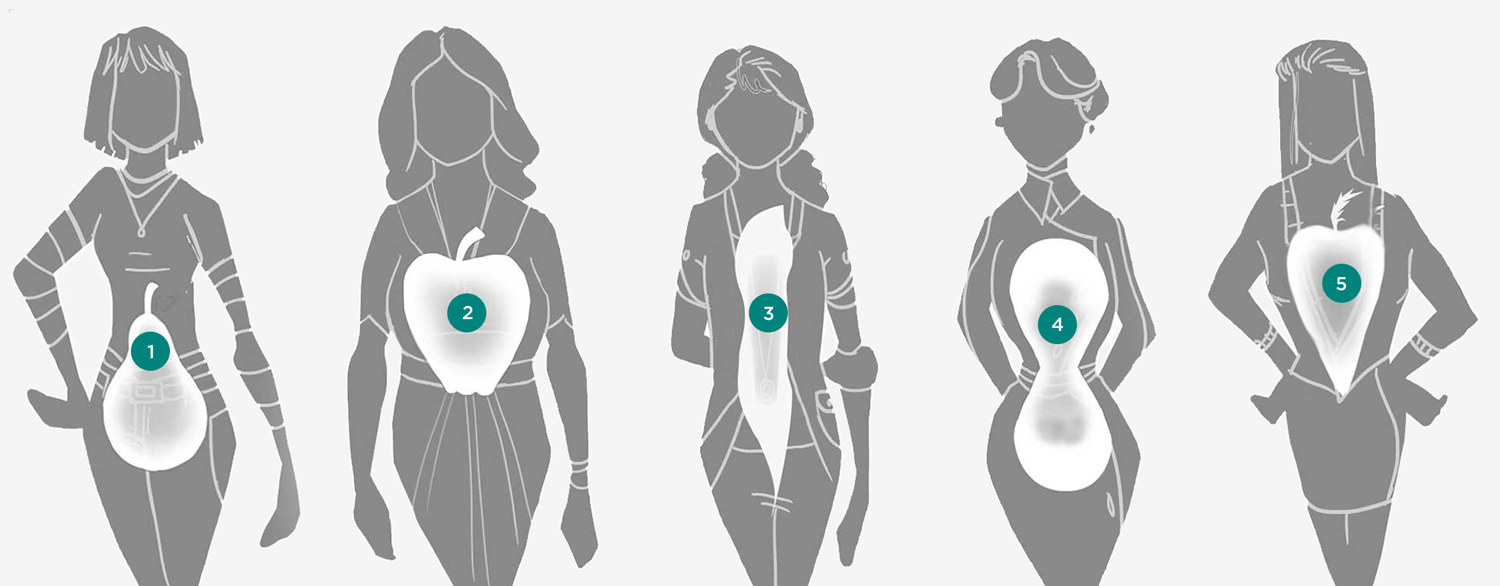
This is the companion to our Intestinal body type food guide, built the same way for a very different type: the Blood type from Carolyn Mein’s 25 Body Type System. Where the Intestinal type is the sensitive “funnel,” the Blood type is the Peace Maker — warm, social, deeply attuned to harmony, with a body whose dominant system is the blood itself, circulating through the heart and vessels. It’s also, in a way most body types aren’t, a protein type: it runs on animal protein, and it lets you know when it isn’t getting enough.
It’s a guide, not the official book. Mein’s Different Bodies, Different Diets has the complete, authoritative food lists; if you want every last item, buy the book. What follows is how we’d actually use it at the plate.
Meet the Blood type
The through-line for this type is harmony. Just as the blood carries oxygen and nutrients to keep every part of the body in balance, Blood types are wired to keep the peace — sensitive to their environment, genuinely caring, quick to read a room. Mein’s observation is a pointed one: for this type, unresolved conflict doesn’t just weigh on the mind — it backs up in the body, particularly around the heart, which is why the type’s real health work is as much emotional as dietary. Tend the harmony and the plate together.
On the plate, the defining fact is protein. Mein has Blood types drawing 5–25% of calories from dense protein and calls vegetarian diets inadequate for them — they “experience fatigue when they don’t get enough protein.” So this guide leans, unusually, toward the meat and fish end of the list.
The three tiers
Mein sorts every food into one of three tiers — and the key detail is that the tier describes each individual food, not the whole category.
- Ultra Support / “Frequently” — 3–7 meals per week. The foods this body runs on.
- Basic Support / “Moderately” — 1–2 meals per week. Fine in rotation, not daily.
- Stressful / “Rarely” — no more than once a month. Handled poorly; keep occasional.
There are two versions of the list. The Healthy list is your everyday state — what you can eat when you feel strong and are digesting well. The Sensitive list is the same foods ranked for when you’re stressed or not digesting well, when energy has been pulled away from digestion. The foods that stay “Frequently” on both lists are the type’s true anchors.
The anchor foods (top-tier even under stress)
This is the short list worth memorizing — the foods that hold the top “Frequently” tier on both the Healthy and the Sensitive list. Notice what they are: mostly protein, plus the type’s one resilient grain.
| Category | Anchor foods |
|---|---|
| Protein | Chicken, chicken broth, chicken livers, cornish game hen; lean white fish (bonita, catfish, cod, flounder, haddock, herring, mackerel, red snapper) |
| Grains | White or brown basmati rice, popcorn |
| Vegetables | Celery, eggplant |
| Fruit | Cantaloupe, watermelon, raisins |
The story the anchors tell: when a Blood body is depleted, it holds onto chicken and lean fish, basmati rice, and a few specific vegetables and melons. That’s the plate to come back to on a hard day — and it’s why basmati rice keeps showing up in our recipes.
Category by category
Here’s the fuller picture, with the pattern that matters most: where each food starts on a healthy day, and where it slides when you’re run-down.
Dense protein. The heart of the Blood diet. Chicken (with its livers and broth), turkey, buffalo, lamb, cornish game hen, and a wide range of fish — cod, salmon, halibut, mackerel, trout, sardines — plus clams, eel, mussels, and octopus are top-tier “Frequently.” Beef, pork, and eggs sit at “Moderately.” Under stress, chicken and lean white fish are what hold — the anchor proteins — while beef, lamb, venison, and eggs drop to “Rarely.” One quirk worth knowing: Mein lists beef, ham, turkey, and eggs eaten by themselves as foods to avoid — they work in specific combinations (turkey with celery, mustard, or bacon is fine up to five times a week; beef with rice or eggs, once).
Dairy and cheese. Goat milk, sweet cream, sour cream, and kefir are the top-tier dairy; Camembert, cream, goat, Parmesan, and Romano the top cheeses. Butter and yogurt sit at “Moderately.” But dairy is this type’s stress-sensitive category — nearly all of it drops to “Rarely” on the Sensitive list, and for weight loss Mein has Blood types cut dairy (including butter) entirely. Lean on it only when you’re strong.
Nuts and seeds. Almonds, coconut, macadamias, dry-roasted peanuts, pine nuts, pistachios, and pumpkin seeds are the top-tier picks — and pumpkin seeds double as one of the type’s recommended fat sources. Cashews, pecans, walnuts, and the nut butters are “Moderately,” and under stress most nuts ease down (pecans, filberts, hazelnuts, and nut butters drop to “Rarely”). Sesame and sunflower seeds matter beyond snacking: with chicken, they’re the type’s best sources of the amino acids (threonine, isoleucine, cystine) it burns through during growth and change.
Legumes. Beans across the board — adzuki, black, garbanzo, kidney, pinto, navy — plus lentils and split peas are “Moderately” foods here, useful in rotation rather than daily. Under stress, lentils, soybeans, soy milk, and tofu drop to “Rarely” while the common beans hold at “Moderately.” A fine carbohydrate-and-fiber support alongside the protein, not a top-tier category for this type.
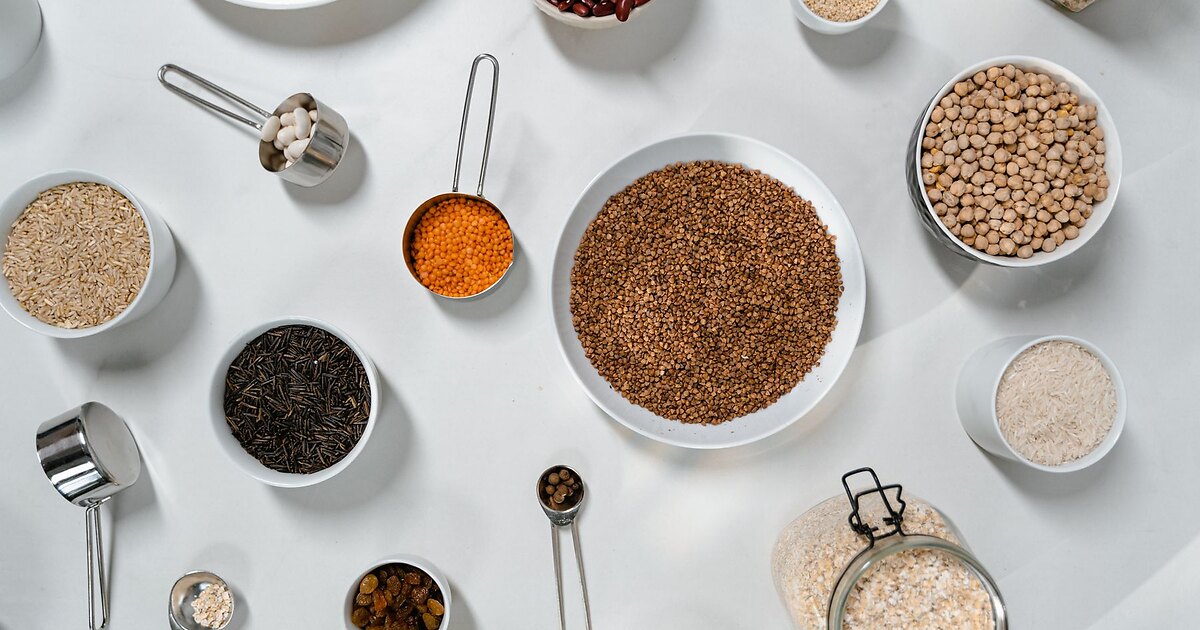
Grains. White or brown basmati rice and popcorn are the anchors — the only grains that stay “Frequently” even under stress (Japanese rice and rice cakes hold at “Moderately”). Amaranth, corn, millet, oats, quinoa, wheat, and the breads and pastas are all fine on a healthy day but slide to “Rarely” when you’re depleted. Carbohydrates are genuinely a support and a craving for this type, so a bowl of basmati or a plate of pasta lands well — just keep the base to the anchor grains when you’re stressed. Our cardamom-lemon basmati rice with chicken broth fits a Blood plate almost perfectly: anchor grain, anchor protein, in one pot.
Vegetables. A generous top tier: avocados (also a named fat source), celery, eggplant, garlic, parsley, and spinach lead, with artichokes, asparagus, broccoli, carrots, cauliflower, cucumbers, kale, mushrooms, squash, sweet potatoes, and tomatoes close behind. Celery and eggplant are the two that stay “Frequently” under stress; a few slide hard when you’re depleted — arugula, broccoflower, chard, hominy, iceberg lettuce, and hothouse tomatoes drop to “Rarely.”
Fruits. Cantaloupe, watermelon, and raisins are the anchors. Most other fruits — apples, berries, cherries, grapes, citrus, peaches, pears, mango, pineapple — sit at “Moderately.” Under stress, bananas, strawberries, limes, nectarines, oranges, peaches, persimmons, and tangerines drop to “Rarely,” so the melons and raisins are the safe fruit picks on a hard day.
Fats and oils. Mein is specific here: the Blood type’s fats should come from avocados, chicken, fish, cheese, and pumpkin seeds — foods, not bottled oils. The pressed vegetable oils (olive, canola, corn, sesame, sunflower) are “Moderately” at best and mostly “Rarely,” and for weight loss Blood types are told to avoid vegetable oils outright. Aim for fat around 20–30% of calories, from those whole-food sources.
Sweeteners, condiments, and beverages. Re-Vita and stevia are the top-tier sweeteners; almost everything else — honey, cane sugar, maple syrup, molasses, sorghum — is “Moderately” or “Rarely.” Tahini is the one anchor condiment; salt, vinegar, and most sauces sit lower. Coffee-with-Re-Vita and black tea are the top-tier beverages, but coffee and alcohol both drop under stress — worth noting for a type whose emotional pattern, in Mein’s framing, can lean on “a drink to numb.” The classic dip-in-energy craving here is sweets and carbs — ice cream, chocolate, popcorn, pasta — which is better read as a depletion signal than a true need.
How to actually use this
Build most meals around the anchors: a real protein (chicken or lean fish), an anchor grain (basmati or a little popcorn), and the top-tier vegetables and melons. Get protein at most meals — this is the type that runs down without it — and take your fat from whole foods (avocado, fish, cheese, pumpkin seeds) rather than bottled oil. Mein’s rhythm for the type is a moderate-to-heavy lunch built on protein and an easier, carb-forward dinner. When you’re stressed or your body is off, pull back to the Sensitive-list anchors — chicken, white fish, basmati, celery, eggplant, melon — until you feel strong again. And because this type especially stores unresolved conflict in the body, tend the harmony alongside the plate. Let your own body have the final say.
The 25 Body Type System is Mein’s model, not mainstream nutrition — we offer it as a lens some of you find genuinely useful. For the complete, authoritative food lists, her book Different Bodies, Different Diets is the source.
Recipes that fit a Blood plate
- Cardamom-Lemon Basmati Rice in Chicken Broth — the anchor grain cooked in the anchor protein; about as on-type as a side dish gets
- The Intestinal Body Type Food Guide — the same guide for the other sensitive type, if you’re figuring out which one is yours
- Meet the body types — the framework, and a quick way to place yourself
Simplify, create, and live with God in your heart.